
Natural Solutions: Can Good Cholesterol Improve Root Canal Recovery?
April 13, 2026
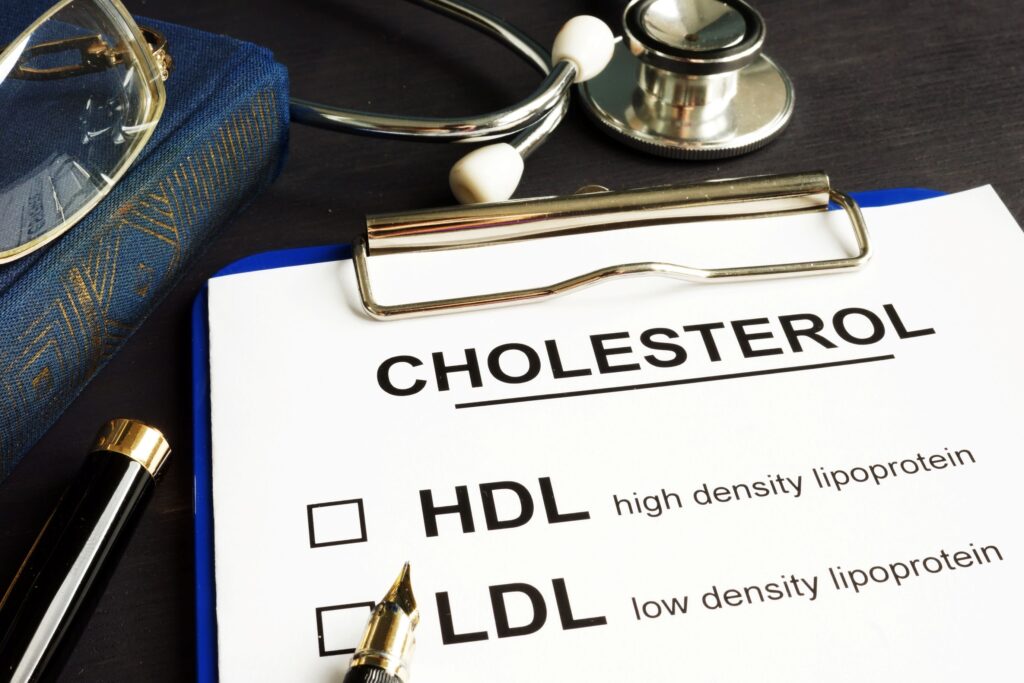
Perhaps because of how they’re portrayed in the media, root canals have a bit of a negative reputation. Some patients worry that their procedure will inevitably be long or agonizing and involves a painful recovery.
Today, root canals usually alleviate more discomfort than they cause, though there’s still a chance of developing complications, like an infection. But thanks to continuing advances in dental treatments, there may be new methods that can help reduce these risks. Continue reading to learn more about how one 2025 study demonstrated how using HDL, or ‘good cholesterol’, can potentially promote healing after a root canal!
What Happens During a Root Canal?
It might vary based on your unique circumstances, but usually, dentists begin this procedure by numbing the area with a local anesthetic to prevent discomfort. Many providers also offer medications, such as nitrous oxide (laughing gas), or oral conscious sedation as a prescribed pill, that can help you remain calm and comfortable the entire time.
Then, they’ll make a small opening in your enamel with specialized dental instruments so they can access the pulp inside. Next, they’ll remove damaged or diseased materials and disinfect the tooth, usually with sodium hypochlorite, also known as bleach. Finally, they’ll apply a rubber-like material, gutta percha, to help feal and seal the enamel to prevent additional damage.
What is HDL?
Have you ever heard of HDL, or high-density lipoprotein? Human bodies naturally produce this cholesterol to help transport excess cholesterol from tissues and artery walls back to the liver, helping to reduce the risk of clogged arteries, heart disease, and stroke.
But this ingredient also has many anti-inflammatory benefits and functions like a sponge to absorb toxins, leading researchers to wonder whether it can be used to help facilitate healing in various capacities.
Can Lab-Made Cholesterol Promote Healing After Root Canals?
Bleach is the tried-and-true antimicrobial used to disinfect teeth during root canals, and although it’s highly effective at killing harmful bacteria, it can also irritate living tissue and prolong inflammation, which can lengthen recovery periods after the procedure. Researchers began to wonder whether lab-made HDL, with its anti-inflammatory properties, might be more beneficial.
Their research revealed that lab-made HDL resulted in fewer bone-digesting cells, which can harm tissues after a root canal. Furthermore, they found that using HDL when performing this procedure in rats reduced the production or pro-inflammatory immune cells that contribute to swelling and soreness. These findings are promising and show that there may be benefits to using HDL during root canals, but further study and testing is needed before this theory can be applied to patients.
If you have unanswered questions about your upcoming root canal treatment or what to expect from the procedure, you can learn more by contacting your dental office directly!
Meet the Author
Dr. Travis Markle has 20+ years of experience helping families enhance their daily lives by improving their dental health. He earned his dental doctorate from the University of Texas Health Science Center in San Antonio, then completed a General Practice Residency at the Houston VA Hospital after working with the Indian Health Service in White Earth, MN on a reservation. Today, he offers a complete menu of services, including root canals and dental sedation, to meet your needs conveniently under one roof. You can request an appointment on the website or by calling (903) 597-7902.
No Comments »
No comments yet.
RSS feed for comments on this post. TrackBack URL